
Agrarian reform during the Rodríguez Lara administration
Synopsis
It analyzes the reform as the cornerstone of the “nationalist and revolutionary” model aimed at modernizing the countryside and expanding the industrial market. Although 495,000 hectares were distributed and 57,000 families benefited, pressure from the production chambers prevented the elimination of large estates. The process preserved large estates, promoting extensive and inefficient livestock farming that monopolized public investment, leaving small producers in conditions of small-scale farming
Downloads
Pages
75-89
Published
March 17, 2026
Categories
Copyright (c) 2026 Jefatura de Publicaciones

How to Cite
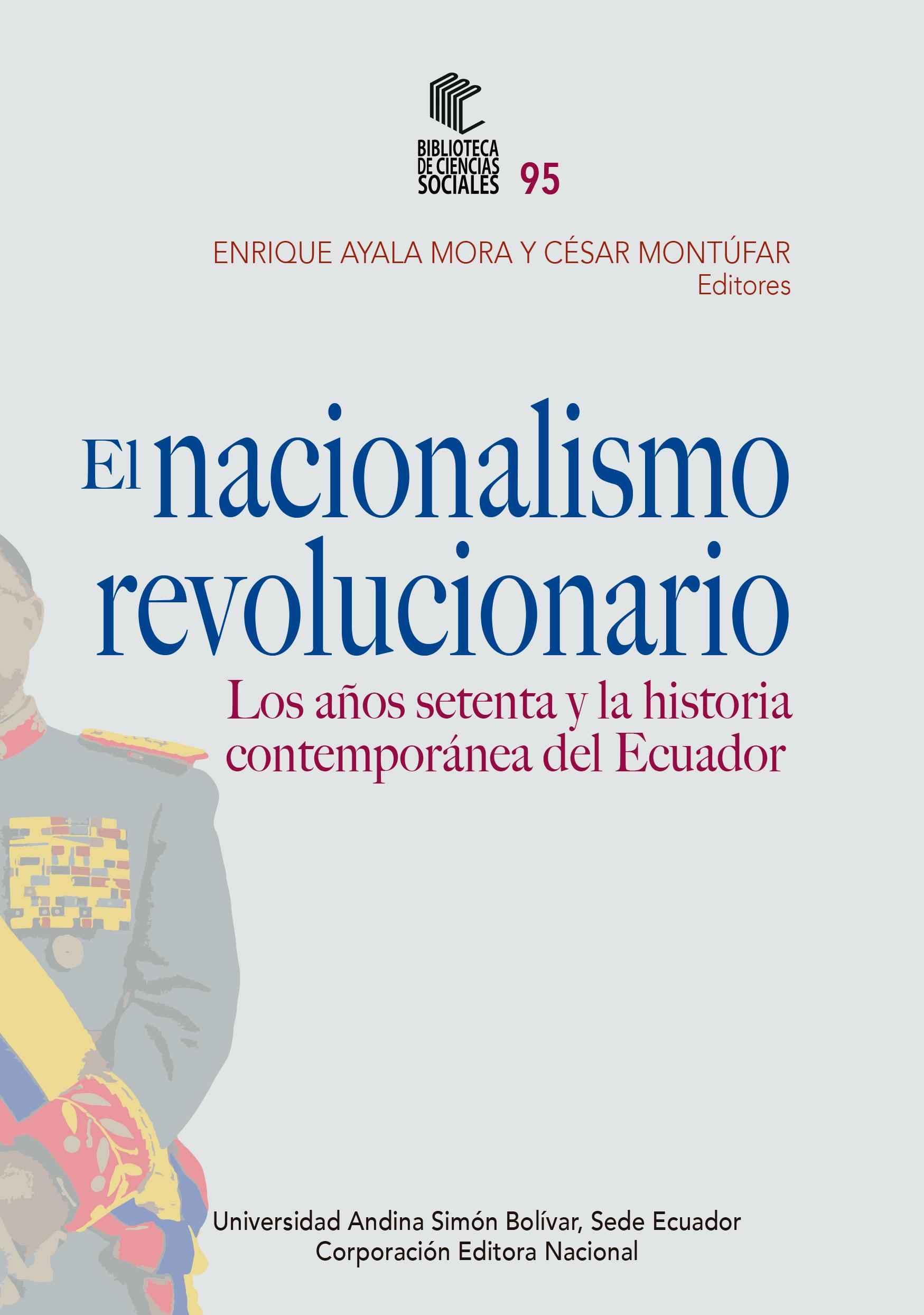
Guerrero Burgos, Rafael. 2026. “Agrarian Reform During the Rodríguez Lara Administration”. In Revolutionary Nationalism: The 1970s and the Contemporary History of Ecuador, edited by Enrique Ayala Mora and César Montúfar, 75-89. Publications Office. https://doi.org/10.32719/9789942566546.5.