
The oil policy of Guillermo Rodríguez Lara's government and its repercussions
Synopsis
It analyzes the nationalist model that sought state control over “black gold.” The regime amended the Hydrocarbons Law retroactively, joined OPEC, and created CEPE, acquiring a 25% stake in the Texaco-Gulf consortium. Despite resistance from transnational corporations, which exerted pressure by reducing production, the government laid the groundwork for public dominance in the sector and established fuel subsidies—legacies that persist 50 years later.
Downloads
Pages
89-105
Published
March 17, 2026
Categories
Copyright (c) 2026 Jefatura de Publicaciones

How to Cite
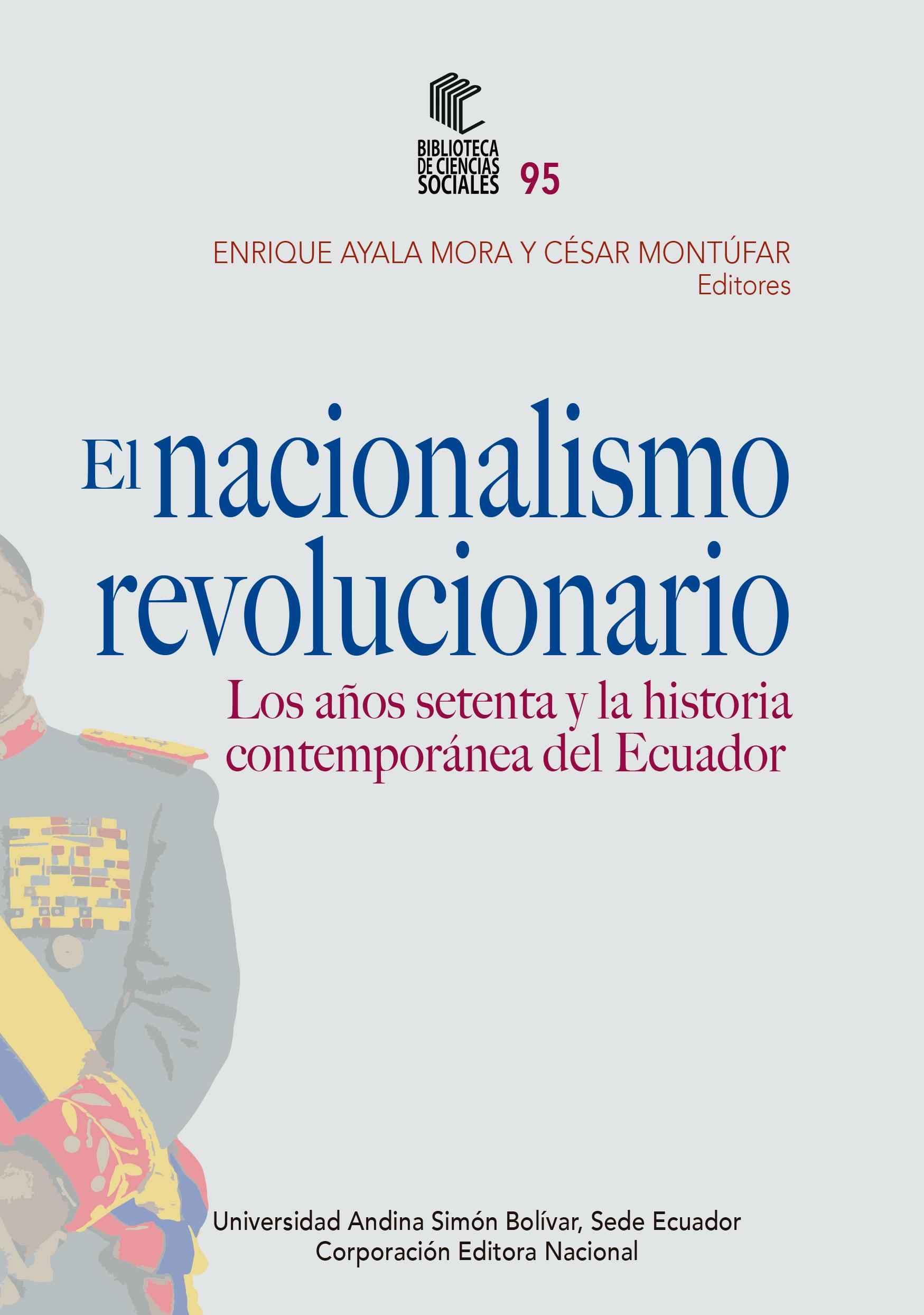
Zevallos, José Vicente. 2026. “The Oil Policy of Guillermo Rodríguez Lara’s Government and Its Repercussions”. In Revolutionary Nationalism: The 1970s and the Contemporary History of Ecuador, edited by Enrique Ayala Mora and César Montúfar, 89-105. Publications Office. https://doi.org/10.32719/9789942566546.6.