
The Geopolitical Significance of “Revolutionary Nationalism” in Rodríguez Lara’s Foreign Policy
Synopsis
It examines how Ecuador exercised its sovereignty at the height of the Cold War through its accession to OPEC, the “200-mile” doctrine, and its support for Andean integration. The Rodríguez Lara regime took advantage of the strategic decline of the United States and the rise of Third Worldism to negotiate independently. Despite its radical rhetoric, it maintained an anti-communist stance and avoided the total nationalization of oil, achieving a pragmatic margin for international maneuver without breaking ties with Washington.
Downloads
Pages
105-125
Published
March 17, 2026
Categories
Copyright (c) 2026 Jefatura de Publicaciones

How to Cite
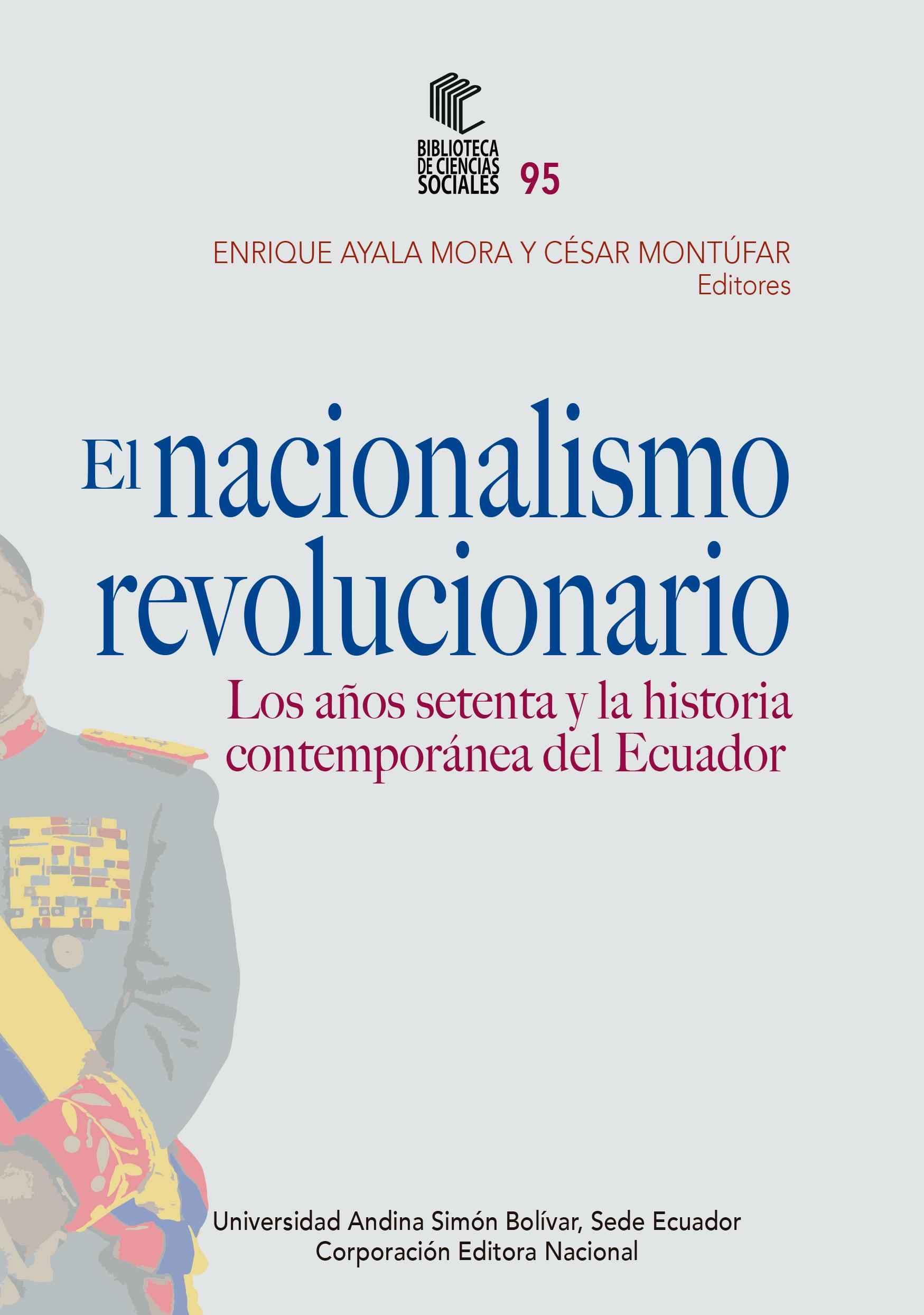
Ayala Mora, Enrique, and César Montúfar, eds. 2026. “The Geopolitical Significance of ‘Revolutionary Nationalism’ in Rodríguez Lara’s Foreign Policy”. In Revolutionary Nationalism: The 1970s and the Contemporary History of Ecuador, 105-25. Publications Office. https://doi.org/10.32719/9789942566546.7.